PEACE HEALTH CENTRE, TIRUNELVELI - GOD CARES FOR YOU!


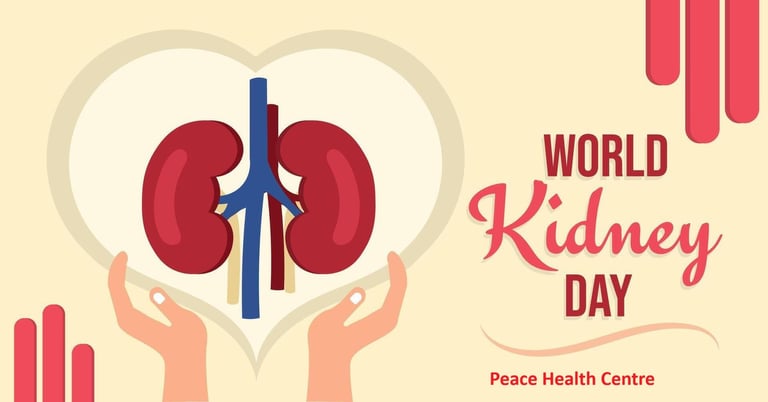
World Kidney Day
World Kidney Day - Dr. R. Anburajan
Dr. R. Anburajan
4/10/20262 min read


World Kidney Day – March 13
Introduction
World Kidney Day is observed every year (2nd Thursday of March) to raise awareness about the importance of kidney health and to reduce the burden of kidney diseases worldwide.
Kidneys play a vital role in maintaining overall health, yet kidney diseases often go unnoticed until they become severe.
Theme
“Kidney Health for All – Caring for People, Protecting the Planet,”
What are Kidneys?
Kidneys are two bean-shaped organs located on either side of the spine.
Functions of Kidneys
Filter waste and toxins from the blood
Remove excess water and salts
Maintain fluid and electrolyte balance
Control blood pressure
Produce hormones for red blood cell production
Support bone health
What is Kidney Disease?
Kidney disease occurs when the kidneys are damaged and cannot function properly.
The most common type is Chronic Kidney Disease (CKD), which develops slowly over time.
Causes of Kidney Disease
Diabetes Mellitus
Hypertension (High Blood Pressure)
Frequent use of painkillers (Non-steroidal Anti-Inflammatory Drug)
Infections
Genetic disorders
Dehydration
Unhealthy lifestyle
Early Signs and Symptoms
Kidney disease is often called a “silent disease” because symptoms appear late.
Swelling of legs, feet, or face
Decreased urine output or changes in urine
Fatigue and weakness
Nausea or vomiting
Loss of appetite
Shortness of breath
High blood pressure
Risk Factors
Diabetes and hypertension
Family history of kidney disease
Obesity
Smoking and alcohol use
Age above 40 years
Sedentary lifestyle
Complications
Untreated kidney disease can lead to:
Kidney failure
Heart disease
Anemia
Bone problems
Fluid overload
Advanced stages may require dialysis or kidney transplant.
Prevention of Kidney Disease
Healthy Lifestyle
Drink adequate clean water
Maintain healthy body weight
Exercise regularly
Diet Control
Reduce salt intake
Limit processed and junk foods
Control protein intake (if advised)
Eat fresh fruits and vegetables
Medical Care
Control blood sugar and blood pressure
Avoid unnecessary use of painkillers
Regular health check-ups
Screening & Early Detection
Blood test (Creatinine)
Urine test (Protein)
Blood pressure monitoring
Blood sugar test
Early detection can prevent progression of kidney disease.
Role of Healthcare Workers
Conduct screening camps for BP and sugar
Identify high-risk individuals
Provide dietary counseling
Educate patients about kidney health
Refer severe cases to higher centers
Role of Family & Community
Encourage healthy lifestyle habits
Support patients with chronic illness
Promote awareness about kidney health
Ensure regular follow-up and medication adherence
Awareness Activities
Free kidney screening camps
Health education sessions
Poster and slogan competitions
Community rallies on kidney health
Key Message
Kidney disease is preventable and manageable. Early detection, healthy lifestyle, and proper treatment can save lives.
Awareness Slogans
“Healthy Kidneys, Healthy Life.”
“Check Your Kidneys, Save Your Life.”
“Prevent Kidney Disease – Act Early.”
Conclusion
World Kidney Day reminds us that kidneys are essential for life. By adopting healthy habits, controlling risk factors, and undergoing regular screening, we can prevent kidney diseases and improve quality of life.
Dr. R. Anburajan


ADDRESS
CONTACT:
peacehealthcentre@gmail.com
0462 2552137 , 0462 2552138 +91 95005 02137
© 2025. Designed and Developed by SilentNight.in
48H/5, South Bye Pass Road, Near New Bus Stand, Tirunelveli, Tamil Nadu, India - 627 005
Copyrights © Peace Health Centre, NABH Certified. All rights reserved.