PEACE HEALTH CENTRE, TIRUNELVELI - GOD CARES FOR YOU!

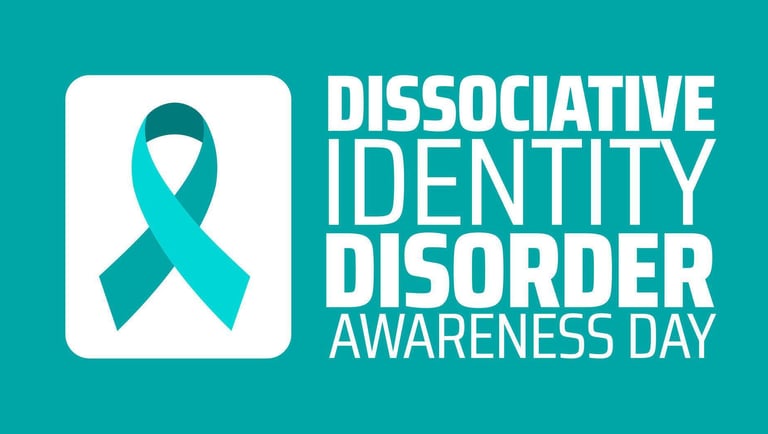
National Dissociative Identity Disorder Awareness Day March 05
NATIONAL DAY
Dr.R.Anburajan
3/29/20262 min read
My post content: National Dissociative Identity Disorder Awareness Day Dr.R.Anburajan
National Dissociative Identity Disorder Awareness Day - March 05
Introduction
National Dissociative Identity Disorder (DID) Awareness Day is observed on March 5 to increase understanding about this complex mental health condition and to reduce stigma. DID is often misunderstood, so this day focuses on education, early recognition, and compassionate support for affected individuals.
What is Dissociative Identity Disorder (DID)?
DID (formerly called Multiple Personality Disorder) is a mental health condition in which a person has two or more distinct identities (personality states) that control behavior at different times.
It is part of the broader field of Mental Health and dissociative disorders.
Causes of DID
DID is usually linked to severe and repeated trauma, especially during early childhood.
Physical, emotional, or sexual abuse
Severe neglect
Exposure to violence
Long-term stress or trauma
Lack of emotional support in childhood
Dissociation acts as a coping mechanism to escape painful experiences.
Signs and Symptoms
Presence of multiple identities or personalities
Memory gaps (forgetting important events or personal information)
Feeling detached from self (depersonalization)
Feeling the world is unreal (derealization)
Sudden changes in behavior, voice, or preferences
Anxiety, depression, or mood swings
Difficulty in relationships and daily functioning
Risk Factors
History of childhood trauma
Lack of a safe and supportive environment
Other mental health conditions
High levels of stress
Complications
If untreated, DID may lead to:
Severe depression
Anxiety disorders
Substance abuse
Self-harm or suicidal thoughts
Difficulty maintaining relationships or employment
Diagnosis
Diagnosis is done by a mental health professional
Detailed psychological evaluation
Assessment of symptoms and history
Rule out other medical or psychiatric conditions
Treatment
DID is treatable with proper care:
Psychotherapy (Main Treatment)
Helps integrate identities
Improves coping skills
Addresses past trauma
Medications
Used to manage symptoms like depression or anxiety
Support System
Family support
Counseling and rehabilitation
Prevention & Early Care
Protect children from abuse and trauma
Provide safe and supportive environments
Early mental health intervention
Awareness about emotional well-being
Role of Healthcare Workers (PHC Level)
Identify early signs of mental health issues
Provide basic counseling and referral services
Educate families about mental health
Reduce stigma through awareness programs
Role of Family & Society
Show empathy and understanding
Avoid stigma and discrimination
Encourage seeking professional help
Provide emotional support
Awareness Activities
Mental health awareness camps
School and college education programs
Counseling sessions
Community discussions on mental health
Key Message
DID is a serious but treatable mental health condition. Early diagnosis, proper treatment, and social support can help individuals lead a stable and meaningful life.
Awareness Slogans
“Understand Mental Health, Support Every Mind.”
“Break the Stigma – Support Healing.”
“Mental Health Matters for Everyone.”
Conclusion
National DID Awareness Day reminds us that mental health conditions like DID require compassion, awareness, and proper care. By supporting those affected and spreading awareness, we can build a more understanding and supportive society.
ADDRESS
CONTACT:
peacehealthcentre@gmail.com
0462 2552137 , 0462 2552138 +91 95005 02137
© 2025. Designed and Developed by SilentNight.in
48H/5, South Bye Pass Road, Near New Bus Stand, Tirunelveli, Tamil Nadu, India - 627 005
Copyrights © Peace Health Centre, NABH Certified. All rights reserved.